
“Me? I don’t snore.” Then someone plays you a recording from last night, and it sounds like a leaf blower with a cold. 🙈 If you’re a woman, that moment can feel extra awkward, because snoring is supposed to be a “guy thing”. It isn’t. So what causes snoring in women, and when is it more than just noise?
Here’s the surprising part. In a study of 4,925 working adults, researchers estimated that 93% of women with moderate to severe sleep apnea had never been diagnosed. For men it was 82%. Women’s snoring gets brushed off, and the signs that come with it often look different from the textbook.
I didn’t test these myself. Instead, I read the studies behind them, including a 2003 study of 589 women that followed how menopause changes breathing in sleep, plus the makers’ details for the fixes we review. So you get what the research shows, not a sales pitch.
The short answer
Snoring in women usually comes from menopause, pregnancy, weight gain, a blocked nose, alcohol or sleeping on your back. PCOS raises the odds too. Women’s sleep apnea is often missed, because it shows up as tiredness or insomnia. Snoring plus tired days? Check for sleep apnea first, with a home test such as Lofta’s.
In this article
Is it normal for women to snore?

Yes, very. University of Utah Health puts it at about 24% of adult women snoring regularly, against about 40% of men. So roughly one woman in four. You’re in good company, even if nobody talks about it at brunch.
Why do men snore more? It’s mostly plumbing. A 2002 Harvard study measured the airways of men and women and found men’s throat airway is longer, with a bigger soft palate (the soft back part of the roof of your mouth). Built into a computer model, the male airway collapsed more easily on anatomy alone. A shorter airway is one reason many women are protected, at least for a while.
That “for a while” matters. A few changes in a woman’s life can take that protection away. Let’s go through them.
What causes snoring in women?
Snoring happens when the soft tissues in your throat relax in sleep and flutter as air squeezes past. Anything that narrows that space, or relaxes it more, makes snoring likelier. For women, these are the big ones.
1. Menopause
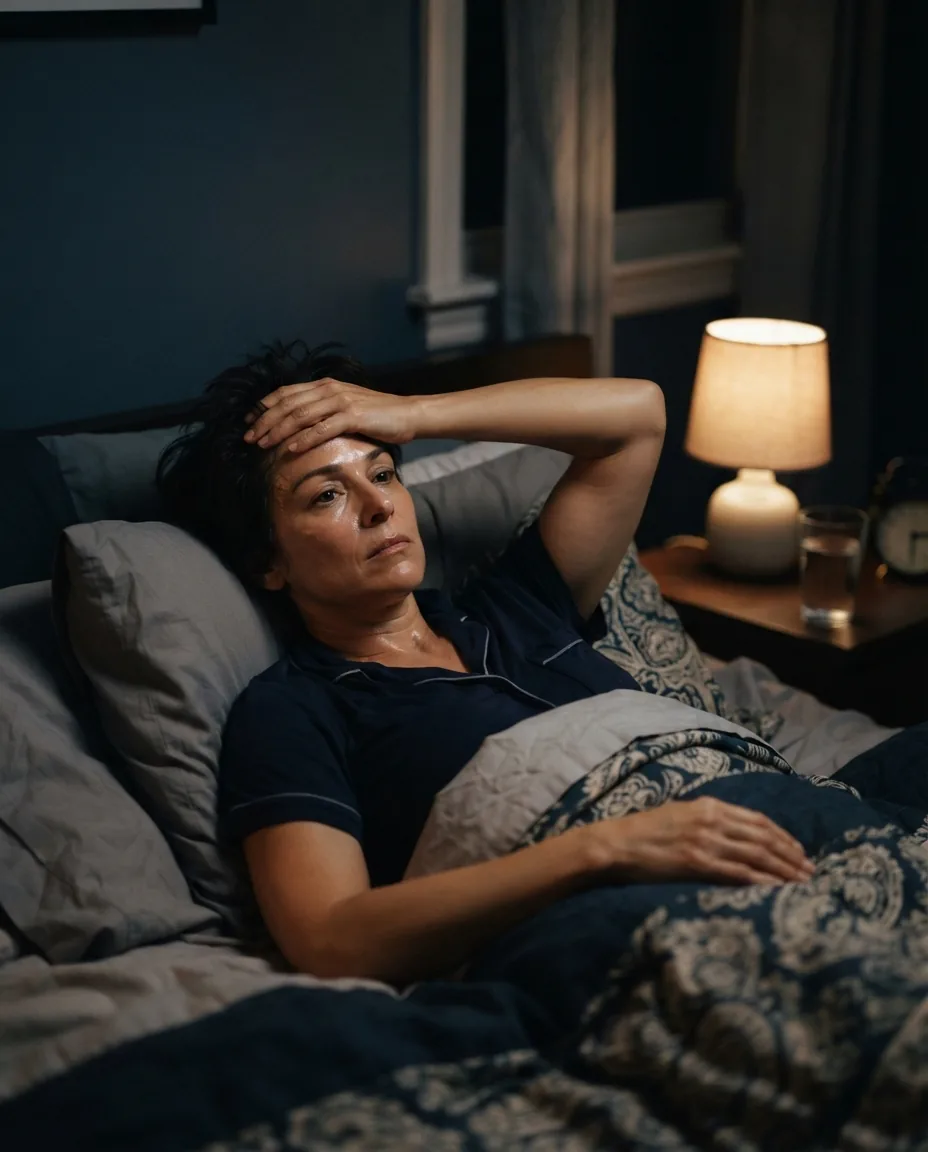
This is the big one for women over 50. In the Wisconsin Sleep Cohort, 589 women had lab sleep studies. After menopause, women had about 2.6 times the odds of at least mild breathing problems in sleep, and 3.5 times the odds of moderate ones, even after the researchers allowed for age and weight. The years of the change itself (perimenopause) made little difference; the jump came after periods stopped.
A 2001 Penn State study found the same pattern. Sleep apnea showed up in 0.6% of women before menopause, but 2.7% after menopause among women not taking hormone therapy, close to the 3.9% seen in men. Women on hormone therapy had rates like younger women. That’s a link, not a reason to start hormones for snoring; that’s a talk for your doctor.
2. Pregnancy
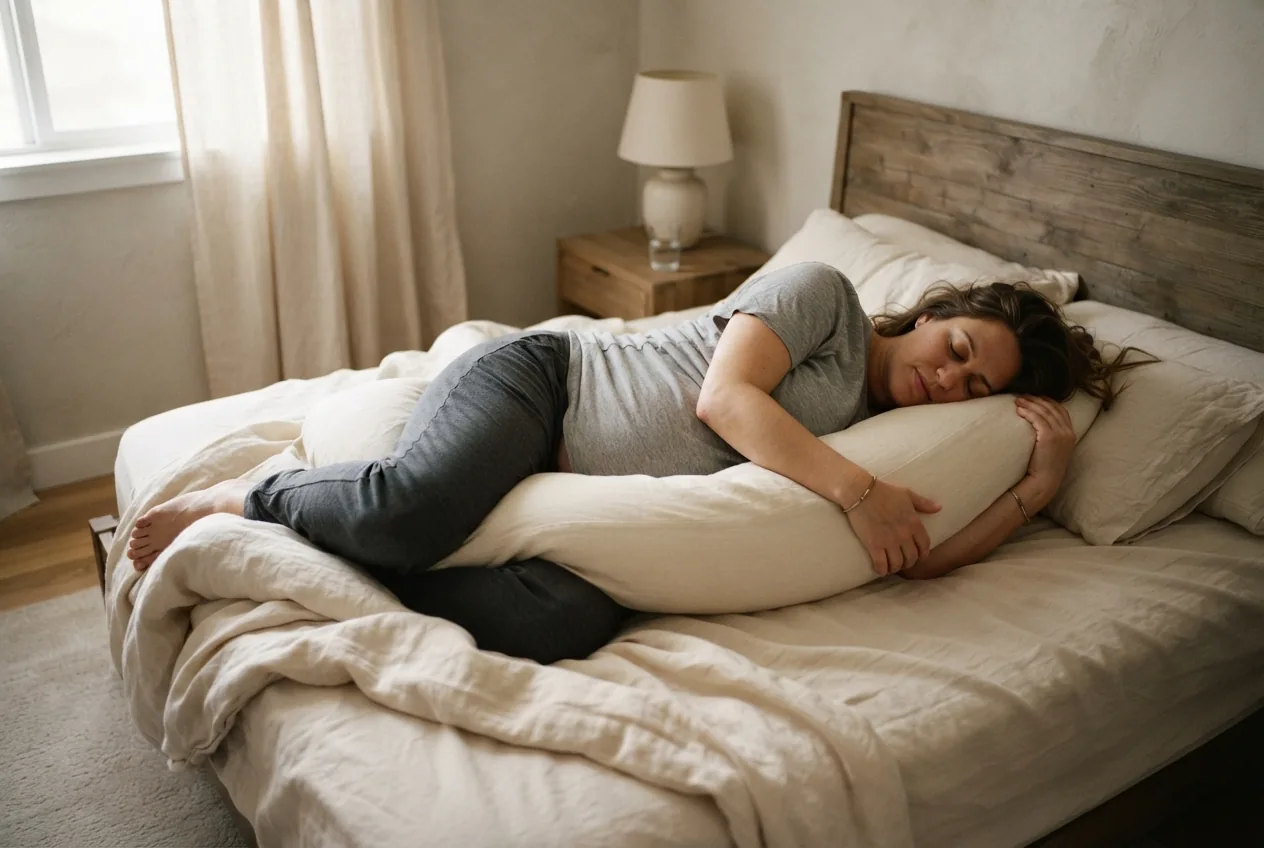
Pregnancy snoring is common, and it’s worth mentioning to your doctor or midwife. In a 2012 study of 1,719 women late in pregnancy, 34% snored, and 25% had started snoring during the pregnancy. That new snoring was linked to high blood pressure in pregnancy (about 2.4 times the odds) and to preeclampsia (about 1.6 times). Snoring that was there before pregnancy wasn’t.
Pregnant and snoring for the first time? Tell your doctor or midwife at your next visit, and ask before you try any snoring device.
3. Weight gain
Extra weight, especially around the neck, presses on the airway. In the large 1993 Wisconsin study, obesity was one of the strongest links to breathing problems in sleep, for women and men. Weight often creeps up in midlife too, on top of the menopause effect.
4. PCOS
Polycystic ovary syndrome (PCOS) is a hormone condition that affects periods, weight and hair growth. A 2025 review that fed into the international PCOS guideline found sleep apnea in 37% of women with PCOS, against 6% of women without it. The risk was higher with extra weight. If you have PCOS and snore, mention both together to your doctor.
5. A blocked nose
Allergies, colds and sinus trouble push you to breathe through your mouth, and mouth breathing makes snoring likelier. If your snoring comes and goes with a stuffy nose, start there: our guide to sleeping with a stuffy nose and our look at which nasal sprays help snoring cover what works.
6. Alcohol, sleeping pills and sleeping on your back
A glass of wine or a sleeping pill relaxes your throat muscles along with the rest of you. And on your back, gravity pulls your tongue and soft palate toward the back of your throat. If you only snore on your back, our guide to the best sleep position for snoring is your shortcut. If the snoring started out of nowhere, these 8 causes of sudden snoring help you find the trigger.
7. Sleep apnea
Sometimes snoring is a sign of obstructive sleep apnea (OSA), where the throat closes off over and over, so breathing stops or gets very shallow. In that 1993 Wisconsin study, 9% of women aged 30 to 60 had breathing pauses or very shallow breaths in sleep at least 5 times an hour, against 24% of men. Fewer women, yes. But as you’ll see next, women are much less likely to be told.
Why is snoring in women so often missed?
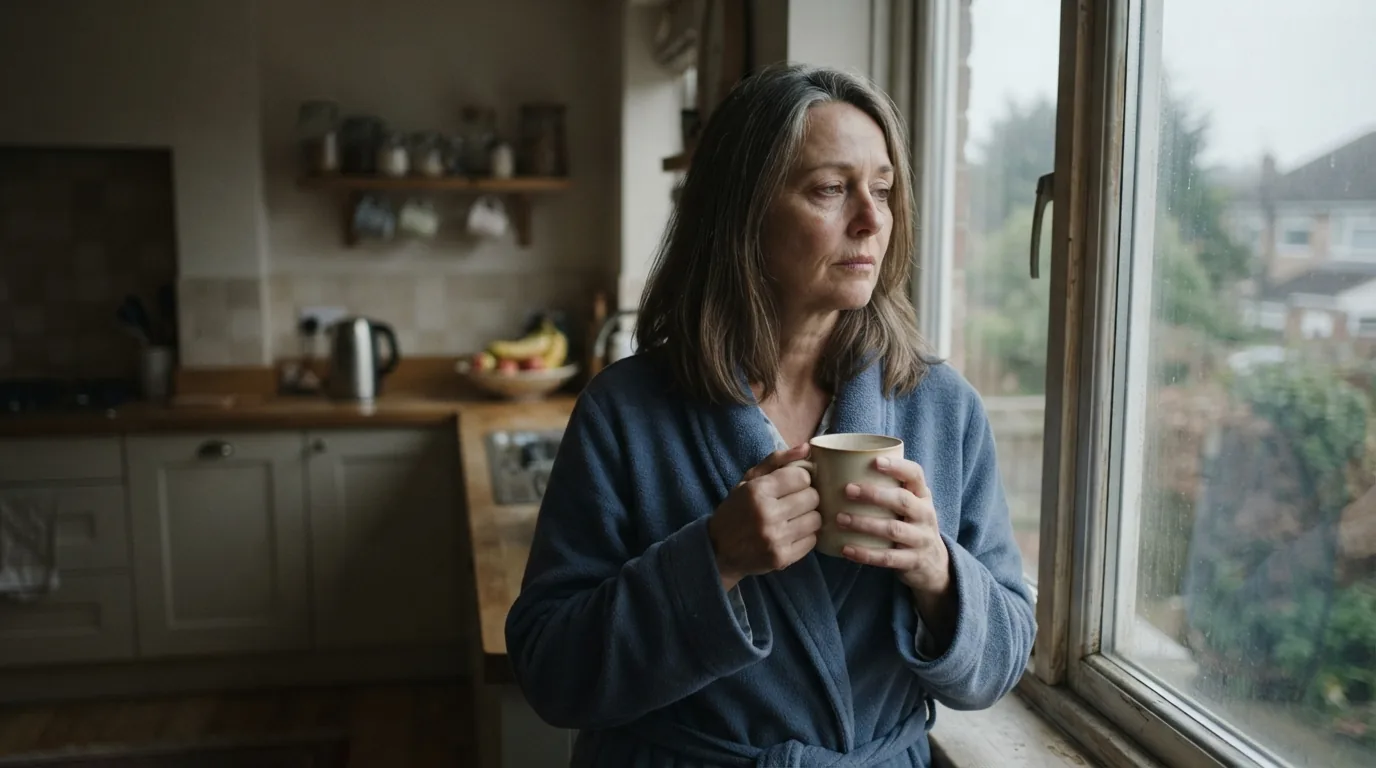
Because women’s sleep apnea often doesn’t look like the picture in our heads: a loud man, a startled partner, a gasp. A 2007 study of 3,521 patients sent for sleep tests (782 of them women) compared what men and women reported before testing:
| Men more often reported | Women more often reported |
|---|---|
| Someone saw them stop breathing | Insomnia |
| Snoring worse on their back | Depression |
| Snoring worse after alcohol | Restless legs |
| Nightmares and a racing heart at night |
See the problem? “I can’t sleep and I feel low” doesn’t sound like a breathing problem. The researchers suggest this difference is one reason sleep apnea is under-recognized in women. Even the popular STOP-Bang screening quiz gives one point for being male, so a woman with the same snoring and tiredness scores a point lower.
93%
of women with moderate to severe sleep apnea were estimated never to have been diagnosed (82% of men)
Source: Young et al., 1997
Is your snoring harmless, or a sign of sleep apnea?
Plain snoring is a noise problem, mostly for whoever shares your bed. Sleep apnea is a health problem. Here’s how to tell which side you’re on.
Red flags: when to see a doctor
- Someone has seen you stop breathing, gasp or choke in your sleep
- You’re tired or sleepy in the day, however long you sleep
- You wake often, or have insomnia, morning headaches or low mood you can’t explain
- You have high blood pressure, or you’re pregnant and the snoring is new
- The snoring started or got louder around menopause
If any of those fit, sleep apnea is worth ruling out. You can often do it in your own bed now. Our guide to the at-home sleep apnea test explains how the night works, how accurate it is and who should go to a sleep lab instead.
Want an answer without waiting for an appointment? Lofta’s home sleep test is our pick for adults paying cash. It’s one night with an FDA-cleared device, read by a sleep doctor. It isn’t for you if you have heart or lung disease or a past stroke, or if your insurance would cover a test through your own doctor. Our Lofta review walks through the price, the night and the refund rules.
How do you stop snoring as a woman?

Once sleep apnea is ruled out, match the fix to where your snoring comes from. Women snore from the same places men do; the triggers are just different. Here’s the shortcut, with our reviews of each fix:
| Where it comes from | Clue | Fix to read about |
|---|---|---|
| 👃 Nose | Worse with colds or allergies | Airflow Clip review |
| 👄 Mouth | You wake with a dry mouth | Intake review |
| 👅 Tongue | The tongue test below | Good Morning Snore Solution review |
| 🦷 Jaw | Snoring with your mouth closed | VitalSleep review |
| 🛏️ Back | Only on your back | Posiform pillow review |
Not sure if it’s your tongue? Stick your tongue out, hold it gently between your teeth and try to snore. If the sound mostly disappears, your tongue is probably part of the problem, and a tongue-holding device is the fix to look at first. See which fix matches your snore.
Still guessing? Take our free 1-minute snore quiz. It asks a few questions about how you sleep and snore, and points you to the fix that matches. If your jaw clicks or aches, read our guide to TMJ and snoring before any mouthpiece.
Tonight: what to try first
- Skip the nightcap, or have it earlier in the evening
- Sleep on your side, with a pillow behind your back
- Clear a stuffy nose before bed
- Ask your partner to record a minute of your snoring, so you know what you’re dealing with
And if it’s your partner who isn’t sleeping, you’re not alone there either. Our guide to sleep divorce looks at what separate bedrooms do (and don’t do) for couples. For more numbers, our snoring statistics page has 40 facts with sources.
FAQ
Is it normal for a woman to snore?
Yes. About 24% of adult women snore regularly, against about 40% of men. Loud snoring with tiredness, gasping or insomnia is worth checking for sleep apnea.
Why do women start snoring after 50?
Menopause is the usual reason. In a study of 589 women, those past menopause had 3.5 times the odds of moderate sleep apnea, even after allowing for age and weight. Midlife weight gain adds to it.
Why do men snore more than women?
Mostly anatomy. Men have a longer throat airway and a bigger soft palate, which collapse more easily in sleep. Men also had sleep apnea about 3 times as often as women in a large Penn State study.
Is snoring during pregnancy dangerous?
It can be a warning sign. In a study of 1,719 pregnant women, snoring that started in pregnancy was linked to high blood pressure in pregnancy and preeclampsia. Tell your doctor or midwife.
Can PCOS cause snoring?
It raises the odds. A 2025 review found sleep apnea in 37% of women with PCOS, against 6% of women without it. Mention snoring to the doctor who treats your PCOS.
The bottom line on snoring in women
Women snore less than men, until menopause, pregnancy, weight or PCOS tip the balance. And women’s sleep apnea hides behind tiredness and insomnia, so it’s missed far more often. If your snoring comes with tired days, rule out sleep apnea first. If it’s plain snoring, find your snore type and match the fix.
Snoring plus tired days?
Find out what a one-night home sleep test is like, what it costs and who should skip it.
Read our Lofta review →Sources
- Young T, Evans L, Finn L, Palta M. Estimation of the clinically diagnosed proportion of sleep apnea syndrome in middle-aged men and women. Sleep, 1997.
- Young T, Palta M, Dempsey J, et al. The occurrence of sleep-disordered breathing among middle-aged adults. N Engl J Med, 1993.
- Young T, Finn L, Austin D, Peterson A. Menopausal status and sleep-disordered breathing in the Wisconsin Sleep Cohort Study. Am J Respir Crit Care Med, 2003.
- Bixler EO, Vgontzas AN, Lin HM, et al. Prevalence of sleep-disordered breathing in women: effects of gender. Am J Respir Crit Care Med, 2001.
- O’Brien LM, Bullough AS, Owusu JT, et al. Pregnancy-onset habitual snoring, gestational hypertension, and preeclampsia: prospective cohort study. Am J Obstet Gynecol, 2012.
- Valipour A, Lothaller H, Rauscher H, et al. Gender-related differences in symptoms of patients with suspected breathing disorders in sleep. Sleep, 2007.
- Malhotra A, Huang Y, Fogel RB, et al. The male predisposition to pharyngeal collapse: importance of airway length. Am J Respir Crit Care Med, 2002.
- Abdul Jafar NK, Al Balushi A, Subramanian A, et al. Obstructive sleep apnea syndrome in polycystic ovary syndrome: a systematic review and meta-analysis. Front Endocrinol, 2025.
- Chung F, Abdullah HR, Liao P. STOP-Bang questionnaire: a practical approach to screen for obstructive sleep apnea. Chest, 2016.
- University of Utah Health, Snoring: what causes it and how to treat it, 2017.
This article is general information, not medical advice. See our medical disclaimer.