Ideal Sleeping Temperature: What the Studies Actually Say
Most guides say 65°F, but a home study of older adults found the best sleep at 68-77°F. The ideal sleeping temperature, and how to sleep cool.

Everyday habits that shape your sleep: bedtime routines, light, naps, breathing and night-shift tricks, explained in plain English.
Most guides say 65°F, but a home study of older adults found the best sleep at 68-77°F. The ideal sleeping temperature, and how to sleep cool.
A third of US adults sleep apart from a partner some nights. What a sleep divorce is, how the Scandinavian sleep method works, and the fixes to try first.
White noise vs brown noise for sleep: how the noise colors differ, what the research shows, and how loud a sound machine should be.
Why do I keep waking up at 4 AM? The common causes, from stress hormones and alcohol to sleep apnea, and what to do when you wake up.
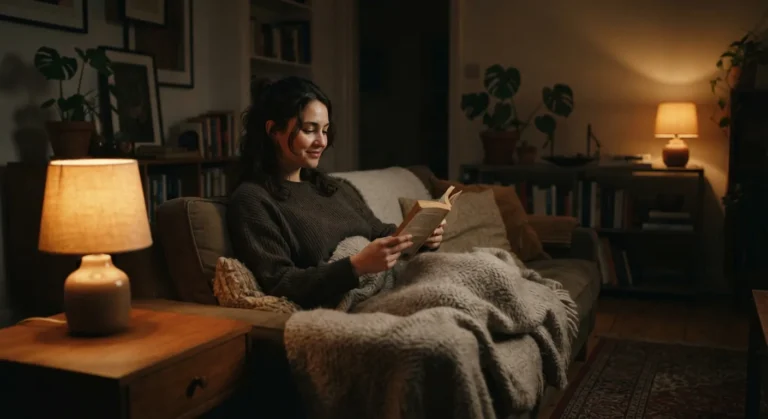
How evening light affects melatonin and sleep, which bulbs and color temperatures to use in the bedroom, and why dimming matters as much as color.
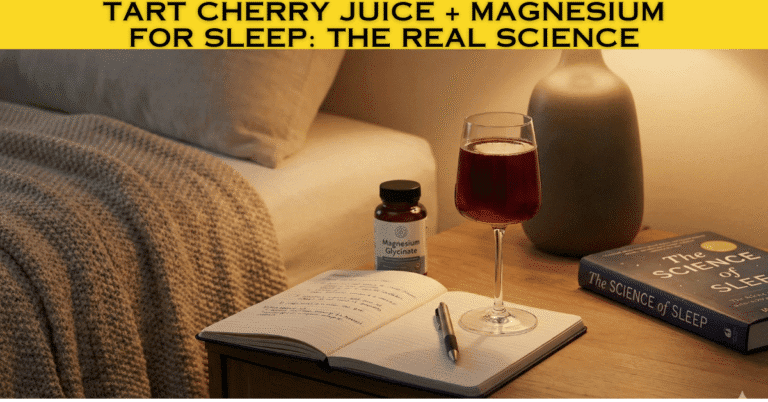
Does the sleepy girl mocktail help you sleep? What studies on tart cherry juice and magnesium show, how to make it, and who should be careful.
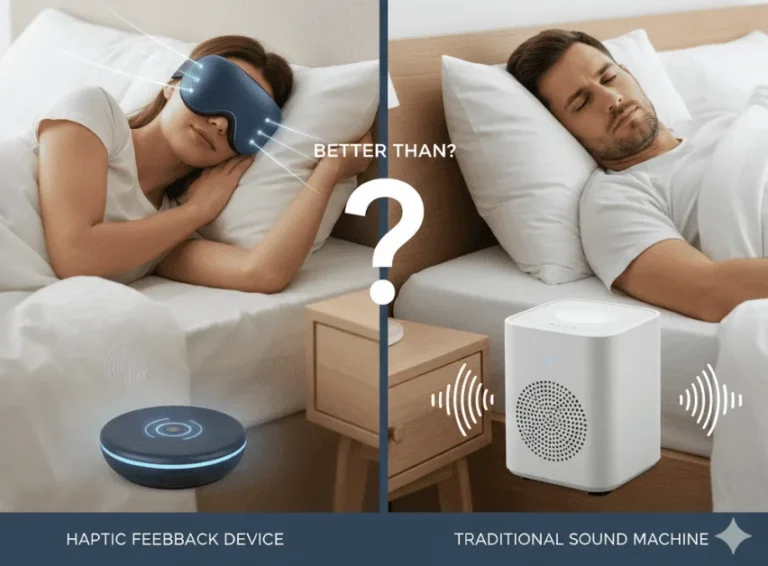
Do haptic sleep devices work better than sound machines? What the research on rocking and vibration shows, how they compare, and how to decide.

A light plan for night shift workers: bright light at work, dark sunglasses on the way home and a blackout bedroom, based on night-shift studies.

Waking up many times at night? What fragmented sleep does to mood, memory and blood sugar, the common causes, and how to sleep more soundly.

The best nap length and time of day, why some naps leave you groggy (sleep inertia), how a coffee nap works, and who should avoid naps.