
65°F. Almost every guide to the ideal sleeping temperature repeats that number, or something close to it. But look for the study behind it and you mostly find experts’ rules of thumb. 🌡️
Meanwhile, a 2023 study that tracked older adults’ sleep at home, with wearables and bedroom sensors, found their best nights between 68 and 77°F. So who’s right? Both, sort of. The room is only one layer of the story, and the other two (your bed and your body) may matter just as much.
I didn’t test anything for this guide. Instead, I read the studies behind the numbers, including that 2023 Boston study, plus the American Academy of Pediatrics’ advice and the sheet makers’ details. So you get what the research shows, not a sales pitch.
The short answer
Experts suggest about 60 to 67°F (15 to 19°C), and that’s a fine place to start. A home study of older adults found 68 to 77°F best, so go by how you sleep. Under covers, heat disturbs sleep more than cold. Hot sleeper? Breathable sheets help: see our Egyptian Linens review.
In this article
What is the ideal sleeping temperature?
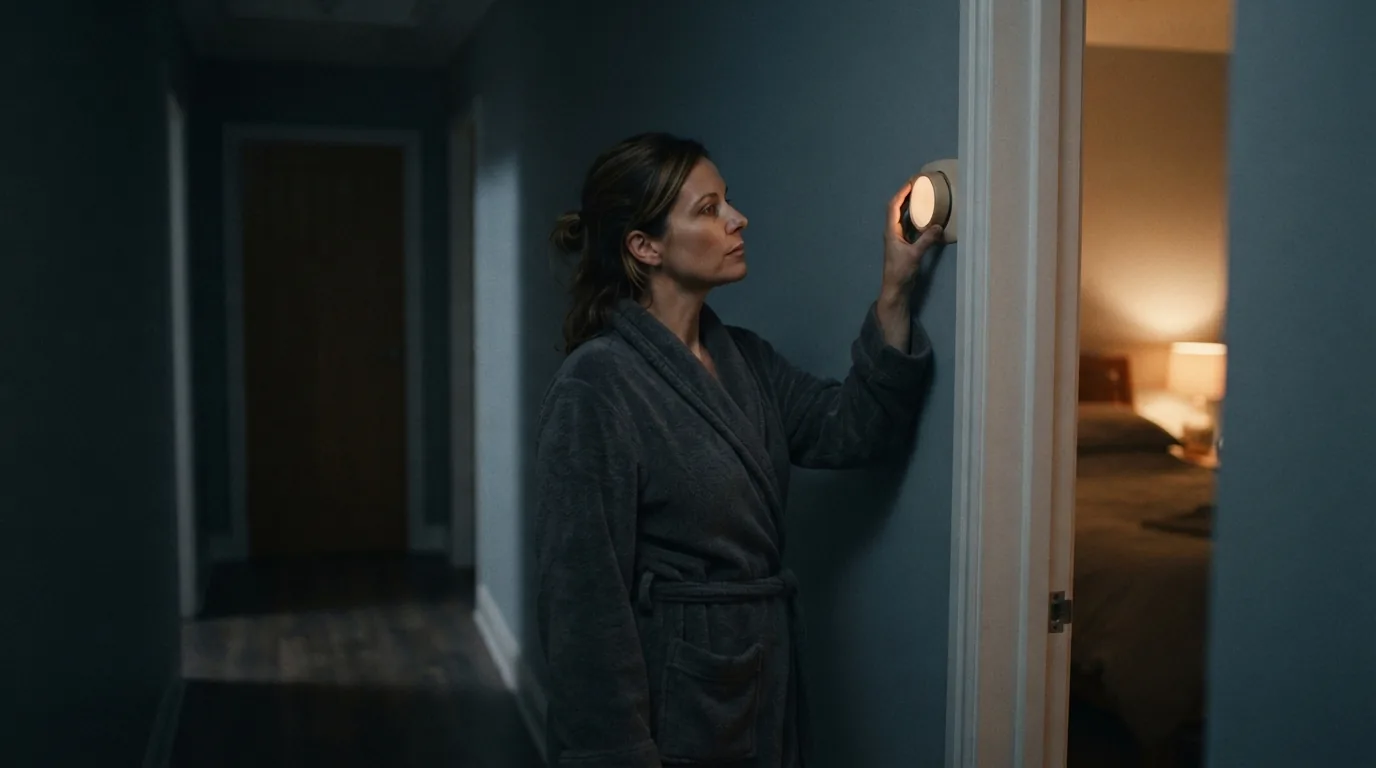
For most adults, a cool bedroom of about 60 to 67°F (15 to 19°C) is the usual advice. That’s the range a Cleveland Clinic sleep psychologist gives. Other guides narrow it to 60 to 65°F, and one UCLA sleep doctor told WebMD that 70 to 75°F is “a range that promotes insomnia”.
Notice something? Those are opinions from experienced people, and they’re a sensible starting point. But they aren’t the result of a study that tested 65°F against other temperatures. Here’s how the numbers line up next to each other:
| Number | Who says it | Based on |
|---|---|---|
| 60 to 67°F (15 to 19°C) | Cleveland Clinic sleep psychologist, 2021 | Expert advice |
| 60 to 65°F | UCLA sleep doctor, via WebMD | Expert advice |
| 68 to 77°F (20 to 25°C) | Boston study of older adults, 2023 | Wearables and bedroom sensors at home |
| No single number | Review of heat, cold and sleep, 2012 | Lab studies: it depends on bedding and clothes |
So where does that leave the famous 65? Let’s look at what the research actually measured.
What the studies actually found
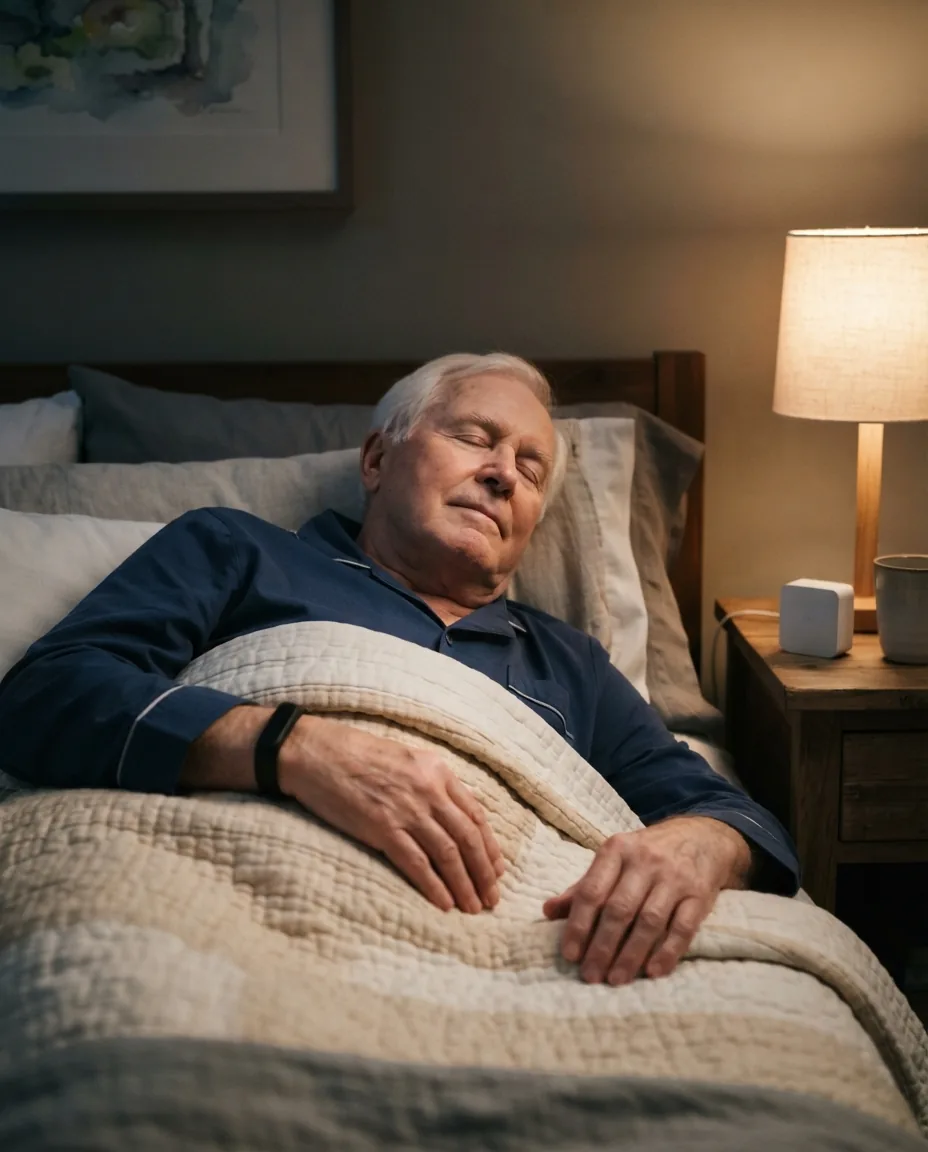
In 2023, a Boston team led by Amir Baniassadi followed older adults living at home. Wearable sleep monitors tracked their nights while sensors logged the bedroom temperature. Sleep was most efficient and restful between 20 and 25°C (68 to 77°F). When the room warmed from 25 to 30°C (77 to 86°F), sleep efficiency dropped by 5% to 10%.
The researchers also saw big differences from person to person, which is why they called for “personalized” temperature settings. And remember who was studied: older adults. That’s a warmer range than the usual advice, not proof that 65°F is wrong for a 30-year-old.
The bigger picture comes from survey data. In a 2017 study of 765,000 Americans, warmer-than-usual nights went with more nights of poor sleep. The effect was strongest in summer, and in people on lower incomes and older people.
765,000
Americans surveyed: warmer nights meant more nights of not enough sleep
So heat clearly hurts. But does that mean colder is always better? Not quite.
Is it better to sleep cold or warm?
A cool room and a warm bed is the sweet spot. A 2012 review of the research on heat, cold and sleep found a twist that most guides miss: the answer depends on your covers.
- Almost no covers or clothes: cold disturbed sleep more than heat.
- Real life, with bedding and pyjamas: heat was the problem. It meant more waking, and less deep sleep and REM (dreaming) sleep.
- Humid heat was harder still on the body.
- Cold under good bedding didn’t change the sleep stages, but it did change how the heart was controlled during sleep.
In other words, your duvet already handles a cool room. What it can’t handle is a hot one. 🥵 That’s why the “cave” advice works: a cool, dark room, with bedding that keeps you comfortable rather than sweaty.
Why a cooler body helps you fall asleep
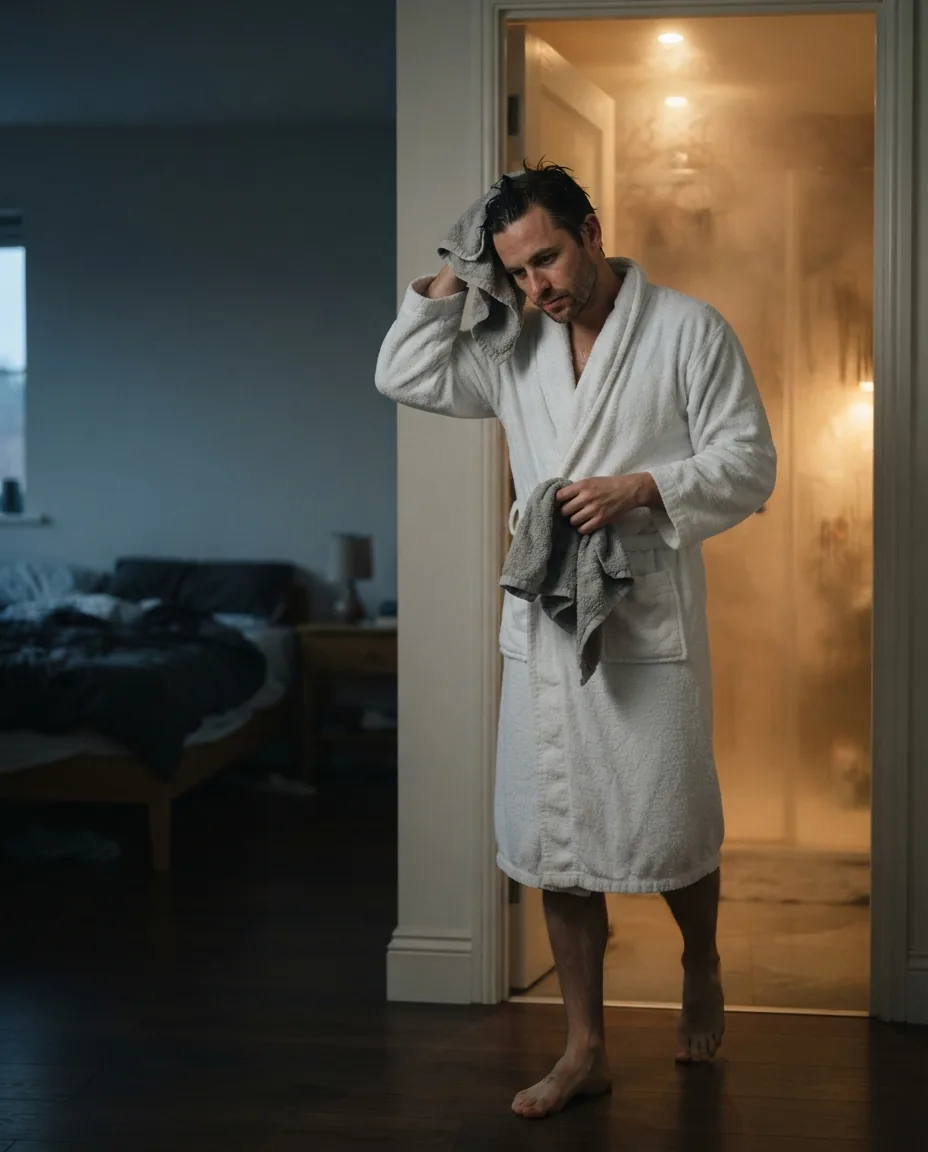
In the evening, your core temperature starts to drop, and that drop is part of falling asleep. Your body sheds the heat through your skin, especially your hands and feet. A hot room slows that down.
Here’s the counter-intuitive trick: warm up to cool down. A 2019 review of 17 studies found that a warm shower or bath 1 to 2 hours before bed, at about 104 to 108.5°F (40 to 42.5°C) and for as little as 10 minutes, helped people fall asleep faster. They also rated their sleep better.
The researchers’ explanation: the warm water sends more blood to your palms and soles, so your body dumps heat faster afterwards. Timing matters, which is why the studies put the shower 1 to 2 hours before bed, not right before lights out.
How to sleep cool when the room won’t cooperate
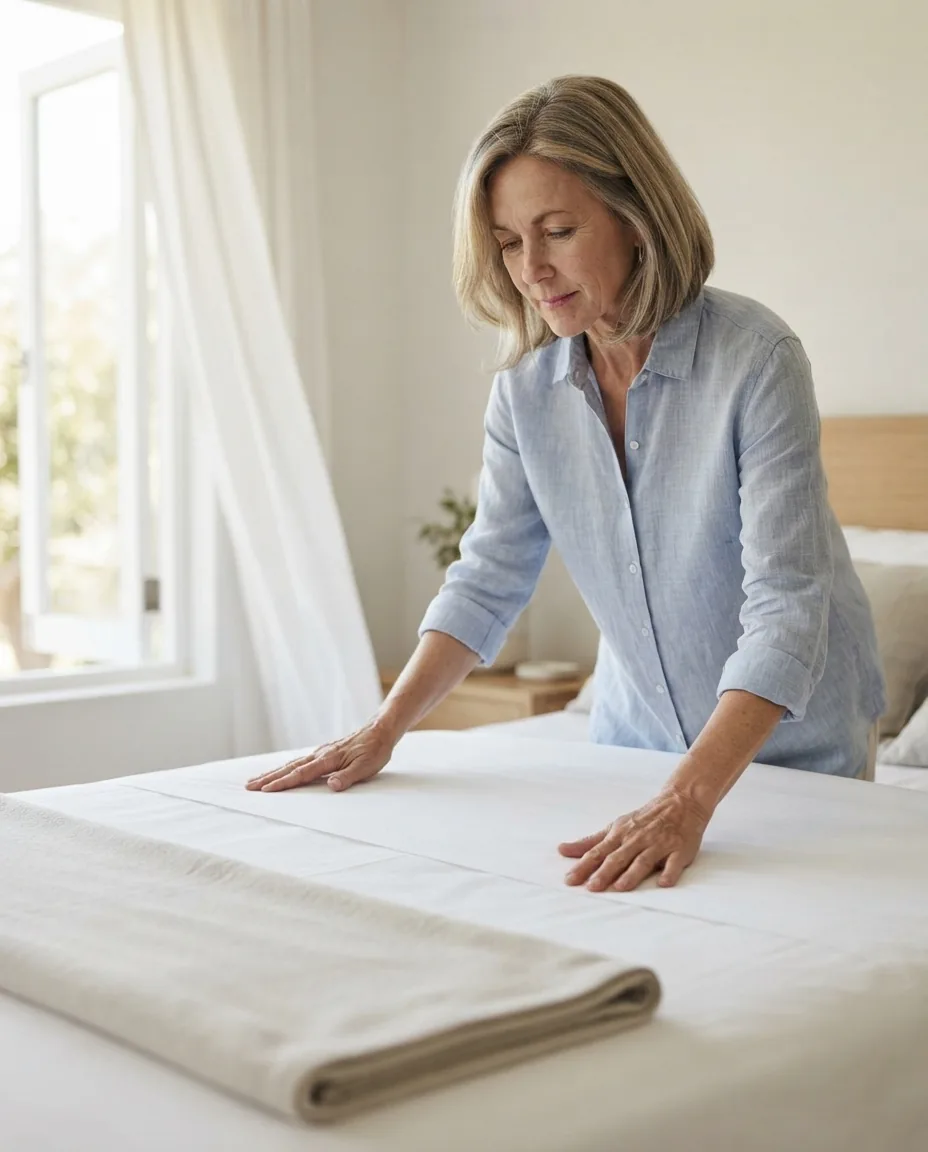
No air conditioning? A partner who likes it toasty? An old radiator with one setting: “sauna”? 😅 You can still change the two layers you control. Work through these in order, and change one thing at a time so you know what helped.
- Shower 1 to 2 hours before bed Warm, not scalding, for 10 minutes or more. Then let your body cool.
- Lower the thermostat a little Try 2 to 3 degrees at a time, and give each setting a few nights.
- Swap to breathable sheets Cotton percale or TENCEL lyocell, not polyester microfiber. More on this below.
- Layer the bed, not the room A lighter duvet plus a throw you can kick off is easier to adjust than one heavy duvet.
- Watch the humidity Humid heat is the hardest on sleep. In dry winter air, aim for 40% to 50% (our humidifier guide explains why).
Sheets for hot sleepers
If you wake up hot or clammy, your sheets may be trapping heat and sweat. Our cotton vs bamboo vs TENCEL guide found TENCEL lyocell the best all-rounder for hot, sweaty sleepers, and cotton percale the best value. A low thread count percale sleeps cooler than a high-count sateen.
Egyptian Linens sells both. Its 300 thread count percale sheet sets were $55 to $75 depending on size when I checked on 28 October 2026, and it also sells TENCEL lyocell sets. Our review covers the fabrics, the odd sizes, buyer complaints and returns.
When you and your partner disagree
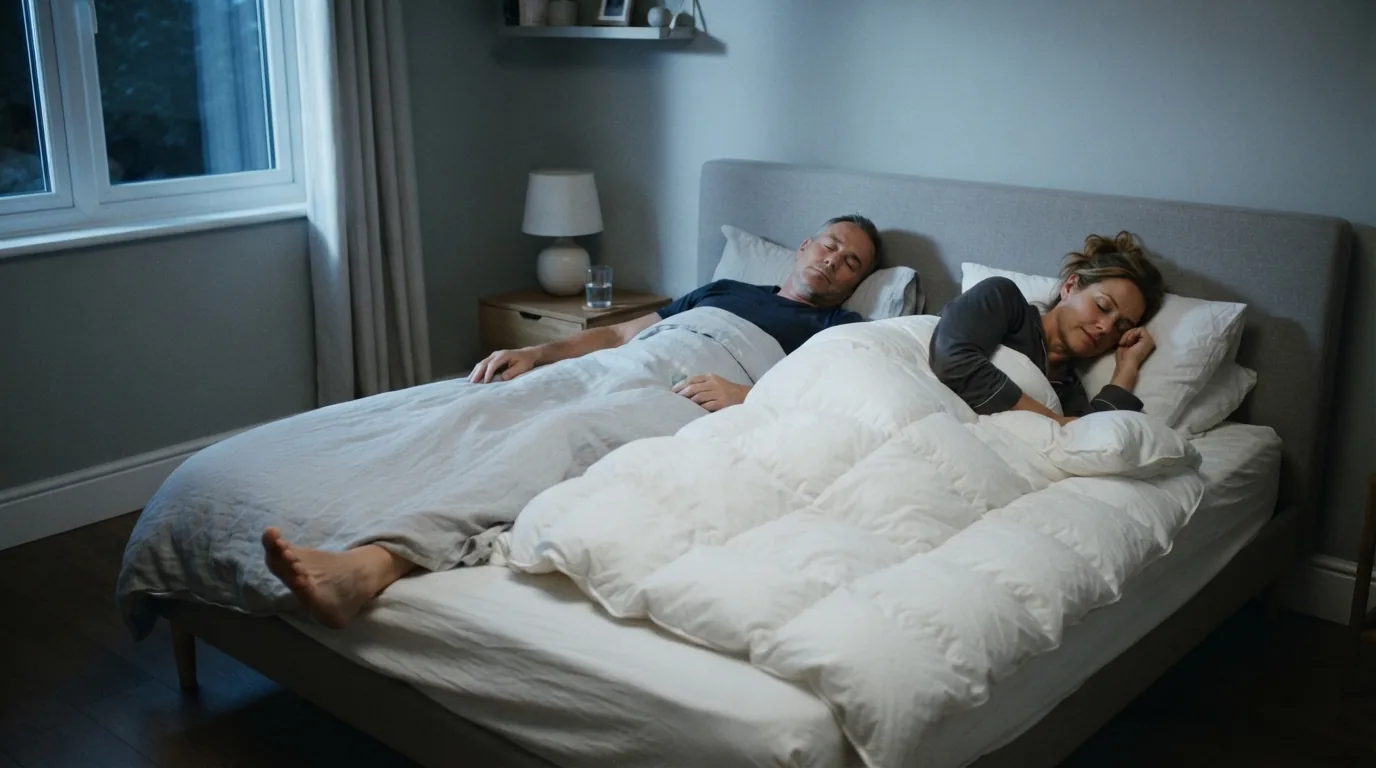
One of you is freezing, the other is kicking the covers off. Sound familiar? Set the room for the one who runs hot, then give each person their own duvet, the “Scandinavian sleep method”, so the one who feels the cold can pile on layers. Our sleep divorce guide covers that method and when separate beds make sense. On a split king bed, the two halves even have separate fitted sheets; see our split king sheets guide.
What about babies and older adults?
Babies: the American Academy of Pediatrics warns that overheating can increase the risk of SIDS. Dress your baby in only one layer more than you’re wearing, no hat indoors, and check for sweating, a hot chest or flushed skin.
The AAP doesn’t give a single room temperature for babies. It focuses on the baby’s clothing and signs of overheating instead, so ask your pediatrician if you’re unsure.
For older adults, the Boston study is the best evidence so far: 68 to 77°F, with big differences between people. If 65°F leaves you lying awake cold, a warmer room is a reasonable choice, especially with lighter bedding. Sleeping better overall takes more than the thermostat; our 12 habits with real evidence cover the rest.
FAQ
Is 70 degrees too hot to sleep?
Not for everyone. It’s above the usual 60 to 67°F advice, but older adults in a 2023 home study slept best between 68 and 77°F. If you wake up hot or sweaty, try a few degrees cooler or lighter bedding.
Is it better to sleep in a cold room?
A cool room is better than a hot one, as long as your bed keeps you warm. With bedding, heat disturbs sleep more than cold, but being cold all night isn’t the goal.
What temperature should a baby’s room be?
The AAP gives no single number. It says to avoid overheating, dress your baby in one layer more than you’re wearing, skip hats indoors, and check for sweating or a hot chest.
Does a hot shower before bed help you sleep?
Yes, if it’s 1 to 2 hours before bed. A review of 17 studies found that a warm shower or bath then, for as little as 10 minutes, helped people fall asleep faster.
What sheets are best for hot sleepers?
Breathable ones: TENCEL lyocell for hot, sweaty sleepers, or cotton percale for value. Avoid polyester microfiber, which holds heat.
My verdict
Start with the experts’ 60 to 67°F, but treat it as a starting point, not a law. The best number is the one you sleep well at, and for older adults that may be closer to 68 to 77°F.
Keep the room cool and the bed comfortable, take a warm shower 1 to 2 hours before bed, and fight heat and humidity first. If you run hot, breathable percale or TENCEL sheets from Egyptian Linens are the easy upgrade.
Waking up hot?
Our review covers Egyptian Linens' percale and TENCEL sheets, the sizes, buyer complaints and returns.
Read our Egyptian Linens review →Sources
- Baniassadi A, Manor B, Yu W, Travison T, Lipsitz L. Nighttime ambient temperature and sleep in community-dwelling older adults. Sci Total Environ, 2023.
- Okamoto-Mizuno K, Mizuno K. Effects of thermal environment on sleep and circadian rhythm. J Physiol Anthropol, 2012.
- Haghayegh S, et al. Before-bedtime passive body heating by warm shower or bath to improve sleep: a systematic review and meta-analysis. Sleep Med Rev, 2019.
- Obradovich N, et al. Nighttime temperature and human sleep loss in a changing climate. Sci Adv, 2017.
- Cleveland Clinic. What’s the best temperature for sleep? 16 November 2021. UCLA Health, Alon Avidan, MD: What’s the best temperature for sleep?
- American Academy of Pediatrics. A parent’s guide to safe sleep, updated 11 September 2026.
- Egyptian Linens: percale and TENCEL lyocell sheet set pages, prices checked 28 October 2026 (see our Egyptian Linens review).
This article is general information, not medical advice. See our medical disclaimer.